Gothic vs Horror: What is The Difference?
Asking us to choose between gothic and horror is like asking us to choose a favourite child or, worse, a favourite band. While the words gothic and horror have become synonymous for many, the genres have many differences. As avid fans of both, we have put together this deep dive into the difference between gothic and horror, what we love about them, and the works that inspired these legendary genres.
TLDR: Gothic and Horror are often confused, but differ in their approach to fear.
- Gothic is a “slow burn” that focuses on creating foreboding and unease through atmosphere, mystery, the supernatural, and the “uncanny” (blending the familiar with the unfamiliar to make you feel uncomfortable). Relationships and emotional elements are often key.
- Horror is more overt in its scare tactics, aiming for a strong, visceral reaction through elements such as jump scares, gore, loud music, and fast-paced action (e.g., chase scenes or monster scenes).
- Gothic horror is a genre that beautifully combines elements of both.
Contents
How is Gothic different from horror?

What is gothic horror?
Gothic horror is a literary genre that combines elements of horror, mystery and the supernatural. The gothic style of literature, film, music and art focuses on the darker elements of life and death.
While mainstream media often characterises gothic and horror as interchangeable descriptors, we think these genres should be celebrated separately and as one.
Gothic horror fiction is characterised by its atmosphere of fear, threat of supernatural events and intrusion of the past upon the present. Provoking a sense of unease with its use of “the uncanny”.
Defined as “strange and mysterious, often in a way that is slightly frightening”, the uncanny was popularised by the controversial psychoanalyst Sigmund Freud. He described the concept as “blending elements of the familiar and the unfamiliar, the revealed and the concealed until the result makes us feel uncomfortable, uncertain, and ill at ease.”

The uncanny is used in literature to create a sense of foreboding using a motif, environment, image, or something familiar from the past to upset the present. Whether this comes in the form of ghostly apparitions, themes of immortality, or familiar settings with an eerie undertone, like a childhood bedroom, an archaic castle or an abandoned home, this sense of familiarity and foreboding that is brought forward by the uncanny, alongside motifs such as the wildness of nature, the repression of an all-consuming desire, a forbidden attraction or attachment, and power differences such as social status and roles, ensures that gothic horror is a slow burn that sends a chill up your spine.
How is Gothic different from horror?
Where the gothic genre creates foreboding and unease in its consumers, horror is more overt in its scare methods. Horror media and literature create a strong, visceral reaction from the audience through jump scares, loud music, gore, and rapid movements like chase scenes, monsters and bloody scenes.
Relationships take a back seat in the horror genre, and the focus tends to be on one main character or group taking the role of the villain. This is one of the main differences between the genres, as gothic plays with emotions more overtly. There is intense action and an emotional element to the story that you probably won’t realise until you notice it playing on your mind hours after putting the book down or finishing the film.
Despite their differences, the gothic and horror genres blend beautifully, resulting in compelling stories filled with dramatic twists and turns, foreboding jumpscares, brooding passion and atmospheric settings.
Best gothic horror books
‘The Castle of Otranto’ by Horace Walpole, 1764
We couldn’t kick off this list with anything else. The Castle of Otranto is widely regarded as the first Gothic novel. In the novel’s second edition, Walpole added the subtitle “A Gothic Story”. It is set in a haunted castle, inspired by his home at Strawberry Hill House in Twickenham, now a popular spot for lovers of Gothic architecture.
‘The Woman in Black’ by Susan Hill, 1983
This haunting story is told from the perspective of Arthur Kipps, who finds himself in a small coastal town in his job as a solicitor. He is sent to attend the funeral of Alice Drablow and settle her estate. Mrs Drablow was a reclusive, elderly widow who lived alone in the desolate Eel Marsh House. As Arthur sorts through her home, a terrifying series of events unfolds. This haunting tale has become a successful stage production and feature film starring Daniel Radcliffe.
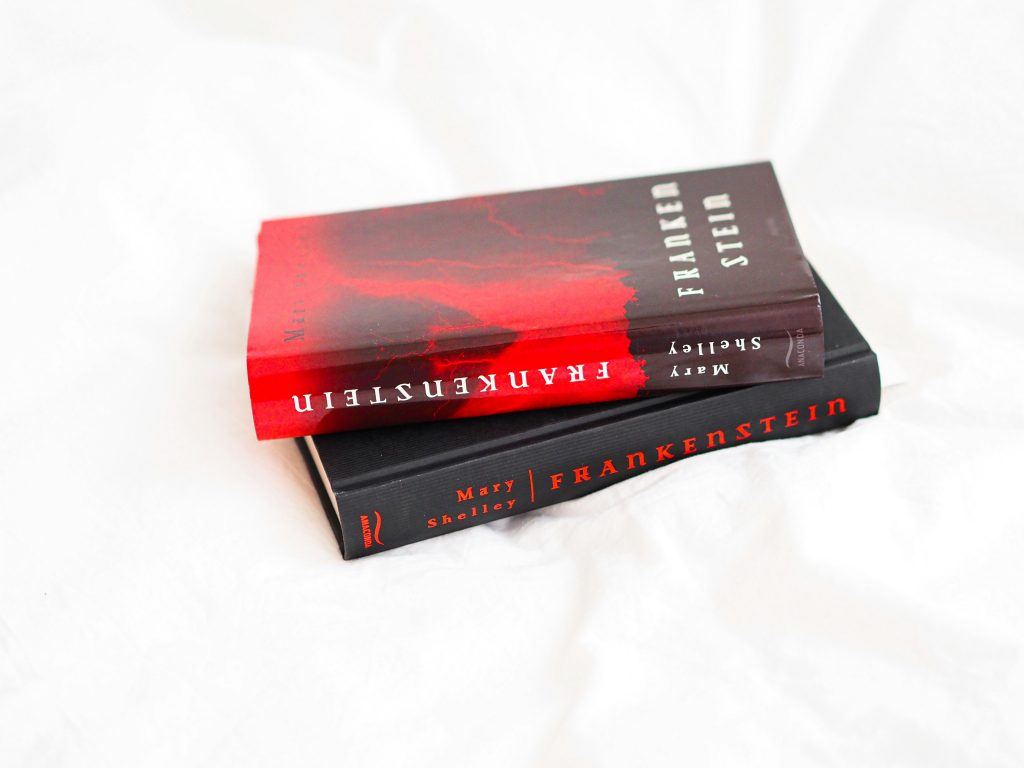
‘Frankenstein’ by Mary Shelley, 1818
“Iconic” doesn’t seem like a strong enough word for this novel. It is a must-read for everyone enamoured by gothic. Mary Shelley was just 18 when she wrote the tale of Victor Frankenstein. During a weekend away with Lord Byron and friends, Byron dared their group to write a ghost story, and initially, Shelley struggled to conjure up a tale of terror. After a nightmare, she was inspired to write Frankenstein. Amazingly, the story of Frankenstein emerged from a nonchalant dare, writer’s block, and a bad dream.
Best gothic horror movies
Suspiria (1977)
Suspiria is considered one of the ultimate expressions of ‘70s Gothic horror. Directed by Dario Argento, Suspiria follows Suzy as she arrives in Germany to attend ballet school. Upon arrival, she is refused entry and sees a student named Pat fleeing from the school. That night, Pat is violently murdered. Suzy struggles to settle in her new school, and its dark past and true evil begin to be exposed.
Rebecca (1940)
Directed by Alfred Hitchcock, Rebecca is a classic psychological thriller that follows the story of a young woman forced to live in the shadow of her husband’s previous wife, who died under mysterious circumstances. Though it may not sound like a classic scare-fest, Hitchcock’s penchant for suspense gives the film a nail-biting atmosphere that makes for a thrilling watch.
Sleepy Hollow (1999)
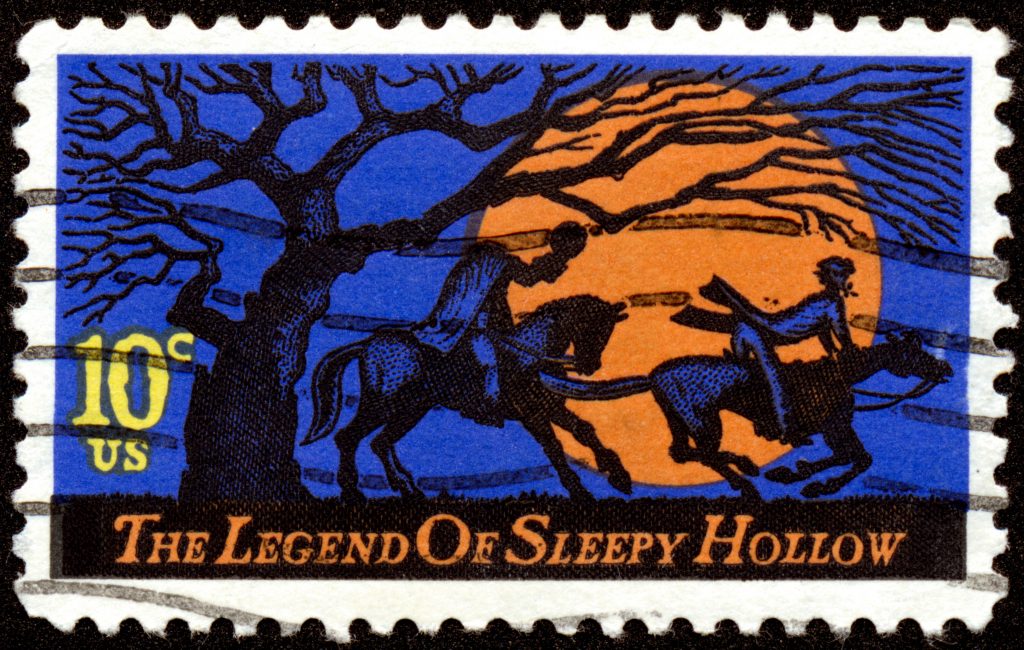
Set in 1799, Sleepy Hollow is based on Washington Irving’s classic tale “The Legend of Sleepy Hollow”. The story is based around Ichabod Crane, a police constable sent to the small town of Sleepy Hollow to investigate a series of murders. As more murders are committed, Crane looks into a paranormal culprit. Tim Burton directed this gothic favourite – need we say more?
Embrace your alternative lifestyle with Attitude Clothing
It’s incredible how much art, music, and cinema have been inspired by the gothic genre for centuries. If you love our gothic book and movie recommendations and want to create a cosy corner to create the atmosphere, why not check out our gothic homewares? For more alternative and gothic fashion, shop our women’s clothes, men’s fashion, shoes, and accessories at Attitude Clothing.
Comments are closed here.